
Reliable Solutions for Faulty Thermostats
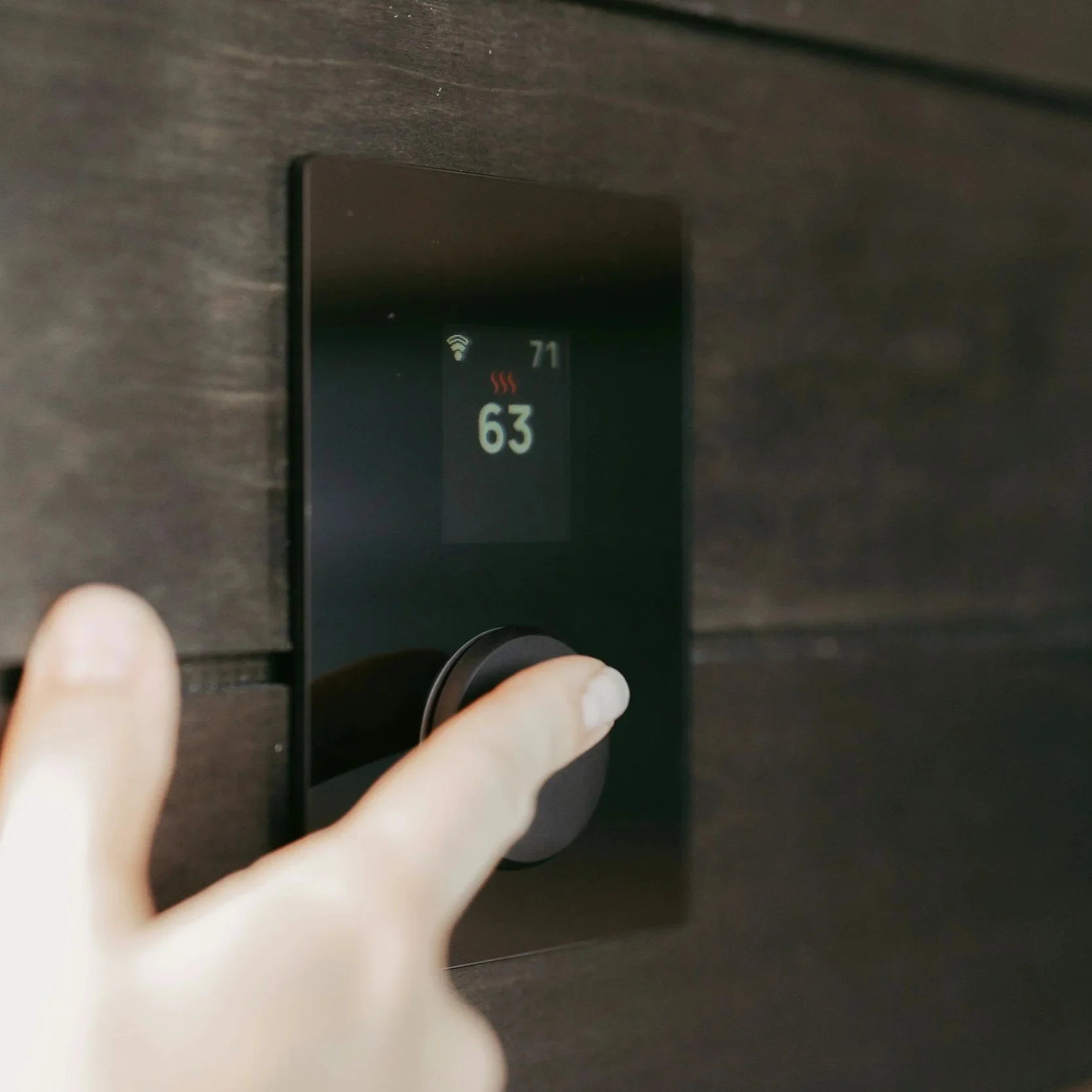
The thermostat might seem like a small component, but when it misbehaves, the whole system suffers.
Thermostats are like the air traffic controllers of the HVAC world. When they're working well, everything flows smoothly. When they're off—even by a little—indoor comfort takes a nosedive. One minute, it's warm and cozy; the next, it feels like a winter camping trip in the living room. The thermostat might seem like a small component, but when it misbehaves, the whole system suffers. That's where professional repair and replacement services shine.
Diagnosing the Not-So-Obvious Problems
When a thermostat starts acting out, the symptoms don't always scream "thermostat trouble." Maybe the furnace runs too long, or not at all. Maybe the temperature reading doesn't match how the room actually feels. Or maybe the thermostat has decided that "off" is its new full-time setting.
Professional technicians use a process of elimination to track down the root cause. They test wiring connections, check for power at the terminals, and verify that the thermostat communicates correctly with the heating or cooling equipment. Sometimes the issue is a faulty sensor or a failing circuit board. Other times, it's something simpler—like a loose screw terminal or a disconnected wire from a recent remodel.
Reading between the lines (and wires) takes experience. Rather than swapping parts and crossing fingers, professionals approach the repair methodically. The goal is always the same: restore full control to the thermostat without sending the homeowner on a rollercoaster of temperature swings.
Understanding Compatibility Hiccups
One common issue comes up when a thermostat is replaced with a newer model that doesn't quite speak the same language as the HVAC system. For instance, older two-wire heating systems often lack a dedicated common wire, which newer smart thermostats need to stay powered. Plug in a fancy touchscreen model without checking compatibility, and the result might be a blank screen or a system that refuses to respond.
Professional technicians know how to work around these challenges. They can add a C-wire adapter or reconfigure the system to work with the new device. They also verify voltage requirements and staging logic, so the system doesn't start heating when it's supposed to cool—or vice versa. A successful thermostat upgrade isn't just about installing the newest gadget. It's about building a bridge between old hardware and new technology.
Calibrating for Consistent Comfort
Even when a thermostat powers up and connects properly, it can still behave unpredictably if it hasn't been calibrated. A few degrees off can make a world of difference when the room swings between "icebox" and "sweat lodge." Some thermostats drift out of calibration over time, while others might have been off since day one.
Professionals use specialized tools to verify temperature readings against reliable benchmarks. If the thermostat senses the room at 70°F but the actual temperature is 74°F, that discrepancy leads to unnecessary wear on the system and discomfort indoors. Calibrating the sensors and adjusting the cycle rate can make the entire system more responsive and efficient.
Addressing Electrical and Wiring Issues
Thermostats rely on low-voltage wiring to communicate with the HVAC equipment. Even one loose or frayed wire can cause intermittent performance or total failure. Rodents, DIY electrical work, and corrosion are frequent culprits.
Professionals inspect the wiring path from thermostat to air handler or furnace, checking for shorts, damaged insulation, or poor connections. If needed, they replace sections of wire or reroute them to reduce interference. Proper labeling, grounding, and terminal tightening are included. That level of attention keeps the system running safely and consistently, without mysterious malfunctions every few weeks.
Replacing Outdated Equipment with Confidence
Sometimes the solution to a faulty thermostat isn't repair—it's replacement. Older mercury-based thermostats, for example, pose environmental concerns and often lack the sensitivity of modern digital units. Other models may be discontinued or incompatible with upgraded HVAC equipment.
Professional replacement includes more than swapping out the wall unit. It starts with selecting a model that matches the system's heating and cooling stages. Then it's mounted correctly—level and secure, with clean wire connections. Finally, it's configured with system-specific settings such as fan control, temperature differential, and display preferences. That careful process avoids callbacks and builds confidence that the new thermostat will serve reliably for years.
Eliminating Short Cycling and Overheating
A poorly performing thermostat can cause short cycling—a condition where the system turns on and off rapidly. That puts extra wear on compressors, blowers, and burners. It also drives up energy use without delivering the comfort anyone's looking for.
Short cycling is often linked to sensor placement. If the thermostat is installed on a wall that catches afternoon sun or near a heat vent, it may register a higher temperature than the rest of the room. Professionals relocate or shield thermostats when necessary, helping them get a more accurate read on the true conditions. The result is a smoother operating cycle that protects equipment and provides steadier warmth.
Upgrading to Programmable or Smart Models
Homeowners who've been using manual thermostats may not even realize how much control they're missing. Programmable and smart models enable detailed scheduling, energy-saving features, and remote access—all of which improve comfort and system efficiency.
When technicians handle the upgrade, they walk the homeowner through all the features and settings. They set the default schedule, activate vacation modes, and, if needed, connect the thermostat to a smartphone app. It's not just about new tech—it's about making heating and cooling work around the household's rhythm, not the other way around.
Avoiding DIY Pitfalls
Replacing or repairing a thermostat might look simple at first glance. Just pop off the faceplate, twist a few wires, and you're golden, right? Not quite. Wiring a thermostat incorrectly can blow fuses, disable safety features, or cause costly system damage.
Professionals understand system voltage, signal timing, and circuit protection. They also carry tools to diagnose subtle problems before they escalate. Whether it's a heat pump with auxiliary heating or a dual-fuel system with complex logic, they handle it all without crossing wires—or causing a surprise outage on a freezing weekend.
Thermostats aren't just wall decorations. They're precision instruments that manage one of the most important systems in any home. When something goes wrong, a fast and expert response makes all the difference. Whether it's fixing a wiring issue, recalibrating a drifting sensor, or installing a thermostat that finally behaves, the right professional approach puts comfort and control back into the homeowner's hands.
Modern Air Conditioning & Heating is a Boulder City-based HVAC company offering 15 years of experience in residential and commercial air conditioning and heating services for all makes and models. Enjoy 1-year parts and labor warranty on all repairs. You can also call us directly to learn more.
