

Our Blog
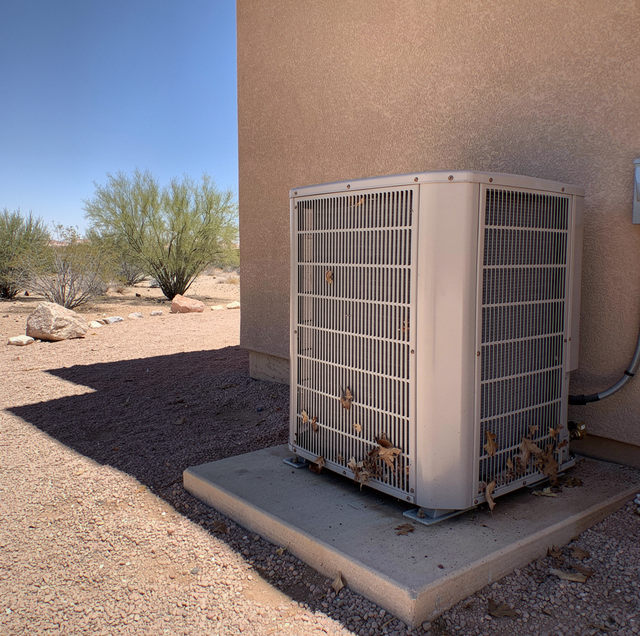
Heat Pump vs Straight-Cool AC: Which Fits a Desert Home?
Picking between a heat pump and a straight-cool air conditioner used to be simple in a climate where summer cooling load dwarfs winter heating need: buy the cooling-only system and pair it with a furnace.
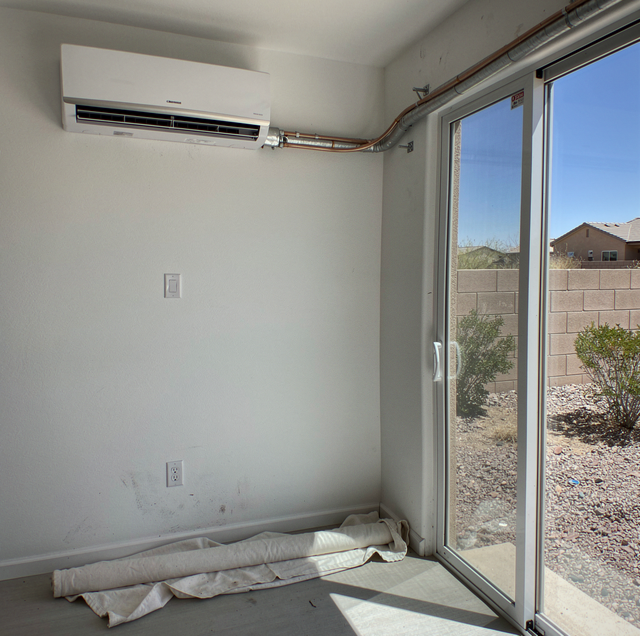
Ductless Mini-Split vs Central AC for an Add-On Room
Turning a garage, sunroom, or bonus room into real living space almost always raises the same question once the drywall goes up: how does this new room actually get cooled?
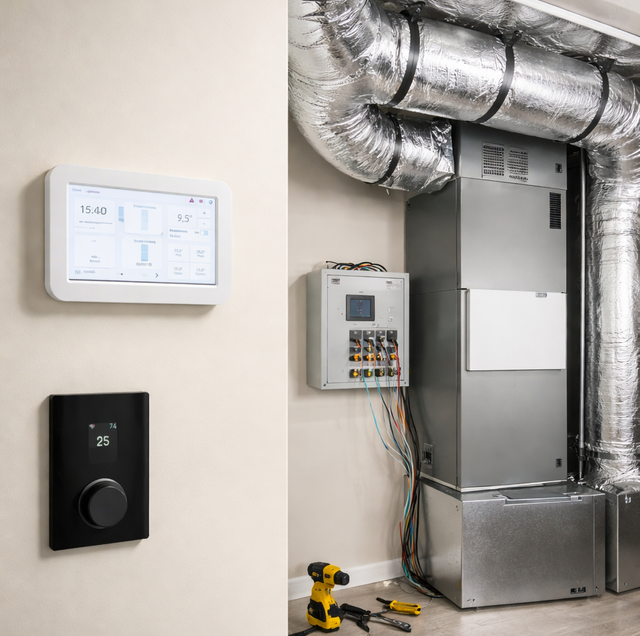
HVAC Zoning System: One House, Rooms That Finally Agree
Most homes fight the same losing battle: one thermostat on one wall trying to speak for the whole house.
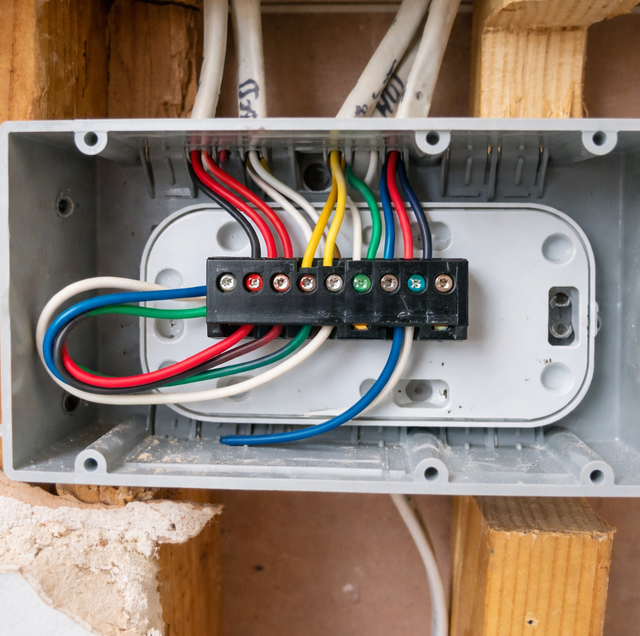
What a Thermostat C-Wire Is and Why It Matters
If your new smart thermostat keeps rebooting, losing its Wi-Fi connection, or throwing a low-power warning, the cause often traces back to a single wire that was never part of the older thermostats it replaced.
What Is a SEER Rating? The Number That Sets Your AC Bill
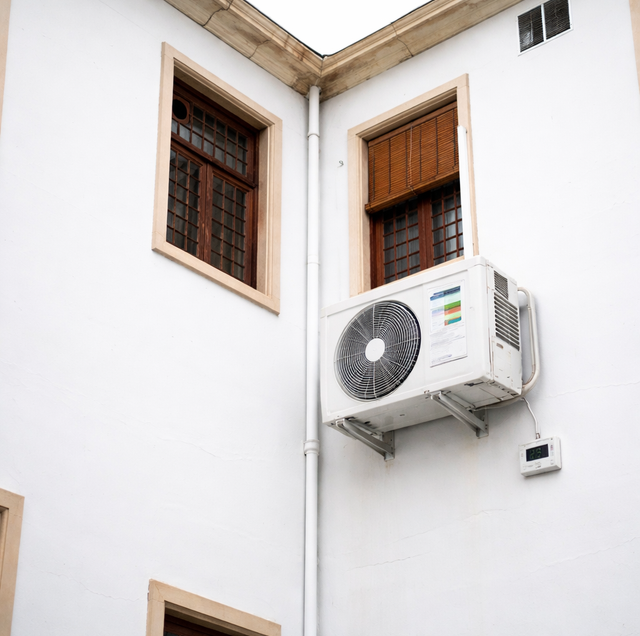
You are comparing two air conditioners that look nearly identical, and one carries a bigger number on its yellow EnergyGuide label.
AC Tune-Up Checklist: What a Technician Actually Does
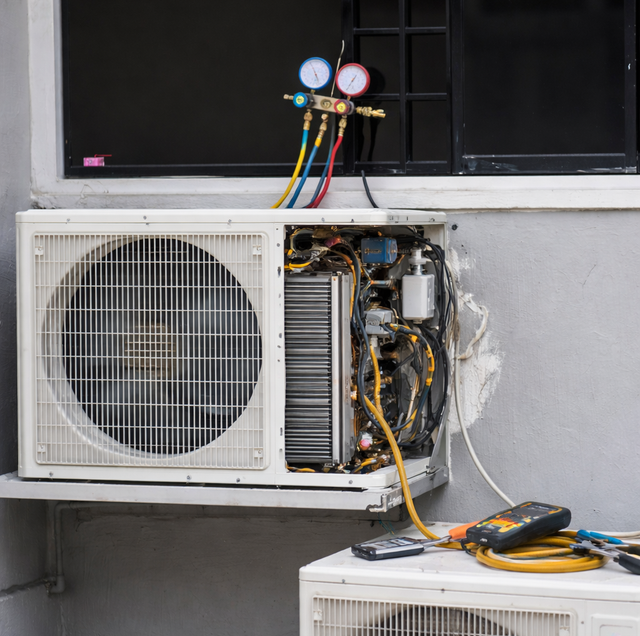
An air conditioner rarely fails all at once. It slides. A capacitor weakens, a coil films over with dust, a drain line starts to clog, and the system keeps running while quietly losing capacity and burning more power to move the same air.
Oversized AC Problems: Why Bigger Cooling Backfires
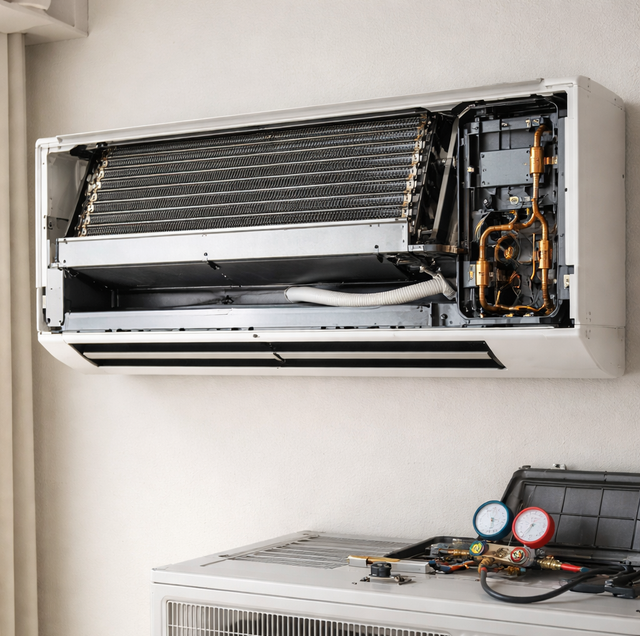
A cooling system that seems too powerful sounds like a good problem to have. It is not.
Why Is Water Leaking From My Indoor AC Unit? 8 Causes to Check
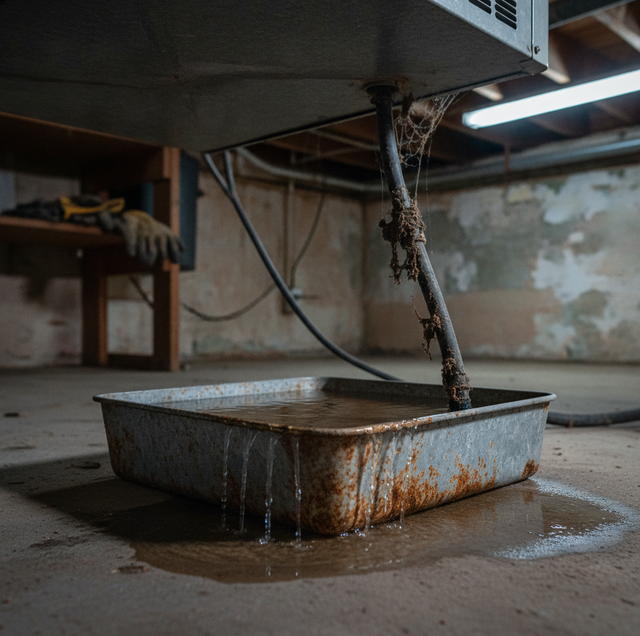
Water dripping from the indoor part of your air conditioner almost always means the same thing: condensation that should be draining away has nowhere to go. Before you assume the worst, it helps to understand that your indoor unit is supposed to make water. The trouble starts when that water stops leaving the way it is designed to.
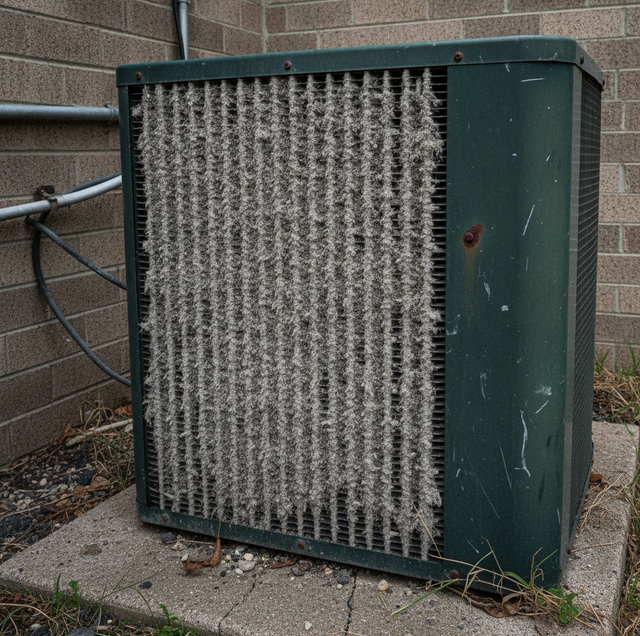
How a Clogged Condenser Coil Quietly Kills Your AC's Cooling
Your air conditioner does not make cold air so much as it moves heat out of it. It pulls warmth from the rooms inside, carries that heat outside through refrigerant, and dumps it into the open air. The single component that does the dumping is the condenser coil in your outdoor unit. When that coil gets buried in dust and debris, the heat has nowhere to go, and every part of the cooling process downstream starts to struggle. This is one of the most common reasons a system that worked fine last year suddenly runs all day without ever cooling the house.
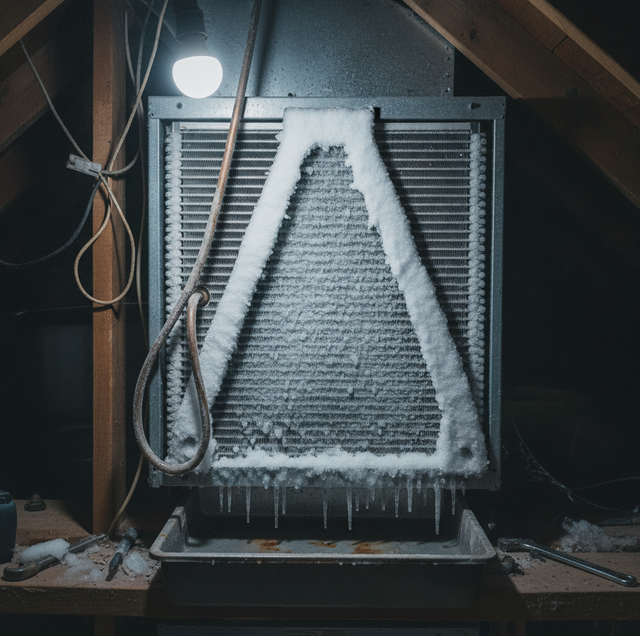
Frozen Evaporator Coil in Summer: Causes and What to Do
It is the hottest week of the year, your air conditioner is running nonstop, and the air coming out of the vents is barely cool. You go look at the system and find the last thing you would expect in this heat: ice, a coil, or a line coated in frost like something out of a freezer. A frozen evaporator coil is a strange sight in summer, but it is a common one, and what you do in the next few minutes matters.

Why Won't My AC Turn On? 6 Reasons to Rule Out First
You walk to the thermostat, lower it, and wait for the familiar hum from outside. Nothing. No fan, no click, no cold air. An air conditioner that stays completely dead is not one problem with one cause. It is a symptom that somewhere in the chain that carries power to the unit, sends the "cool now" signal, and protects the system from damage, one link has broken. Find the broken link, and the system usually comes back.
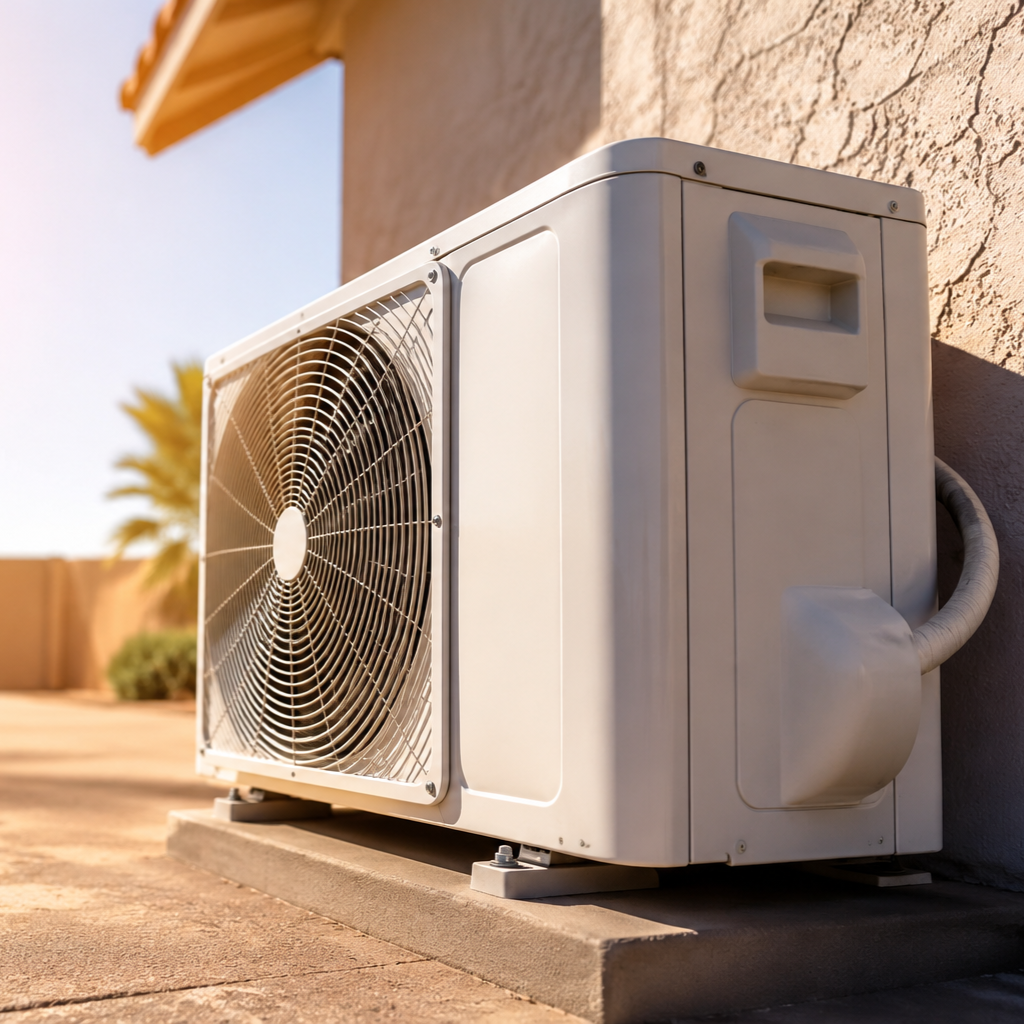
Why Your AC Runs Constantly but Never Cools the House
In a Las Vegas or Boulder City summer, an AC that runs all day and still can't cool the house is both miserable and expensive, since it's drawing power the entire time. The thing to understand is that cooling is a balance: the AC removes heat while the brutal desert sun pushes heat back in. When the unit runs constantly without winning, either it can't remove heat fast enough, or your home is gaining it faster than the system can keep up. Here's how to figure out which.
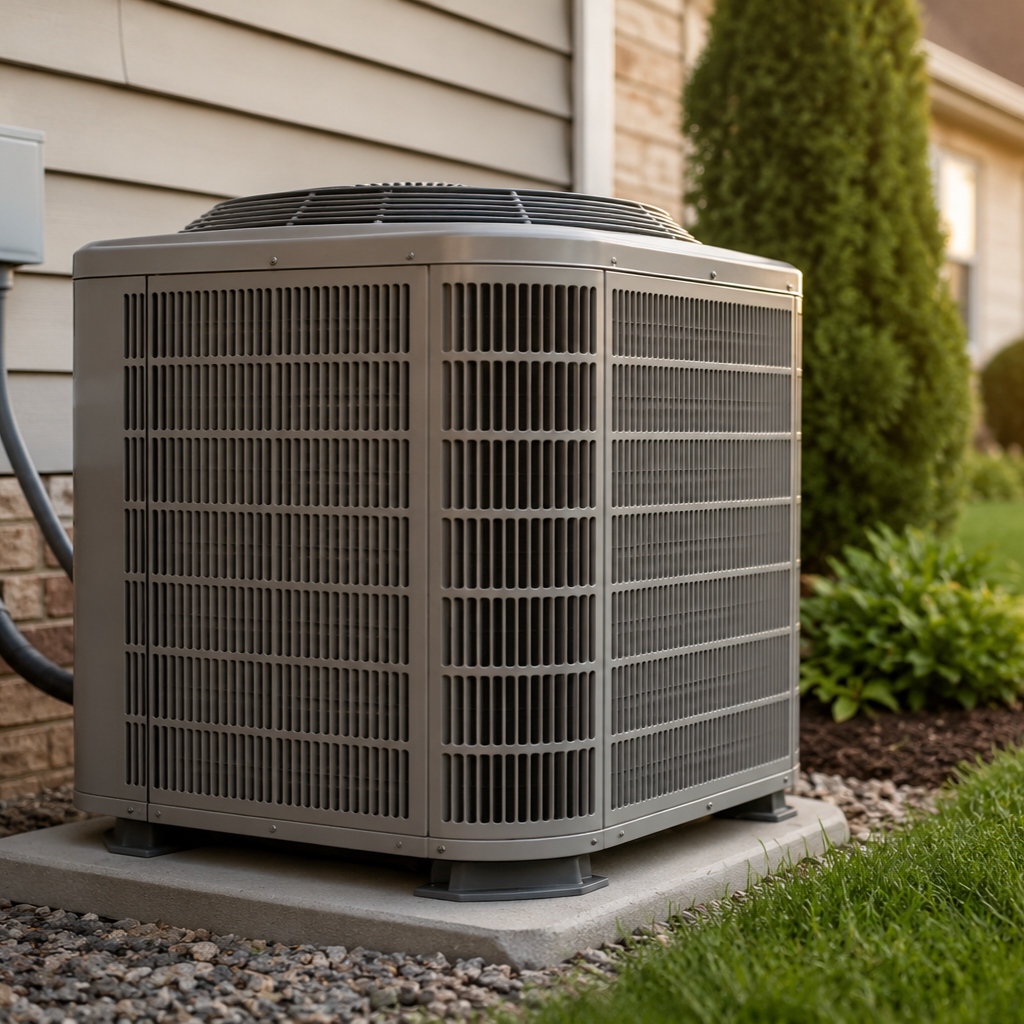
AC Turning On and Off Repeatedly? Why It Short-Cycles
An air conditioner that clicks on, runs briefly, shuts off, and then starts again a few minutes later is short-cycling — and it's doing real harm while it does it. The rapid on-off pattern wears out the system and never properly cools your home. Finding what's triggering it matters because the causes range from a five-minute fix to a serious problem.
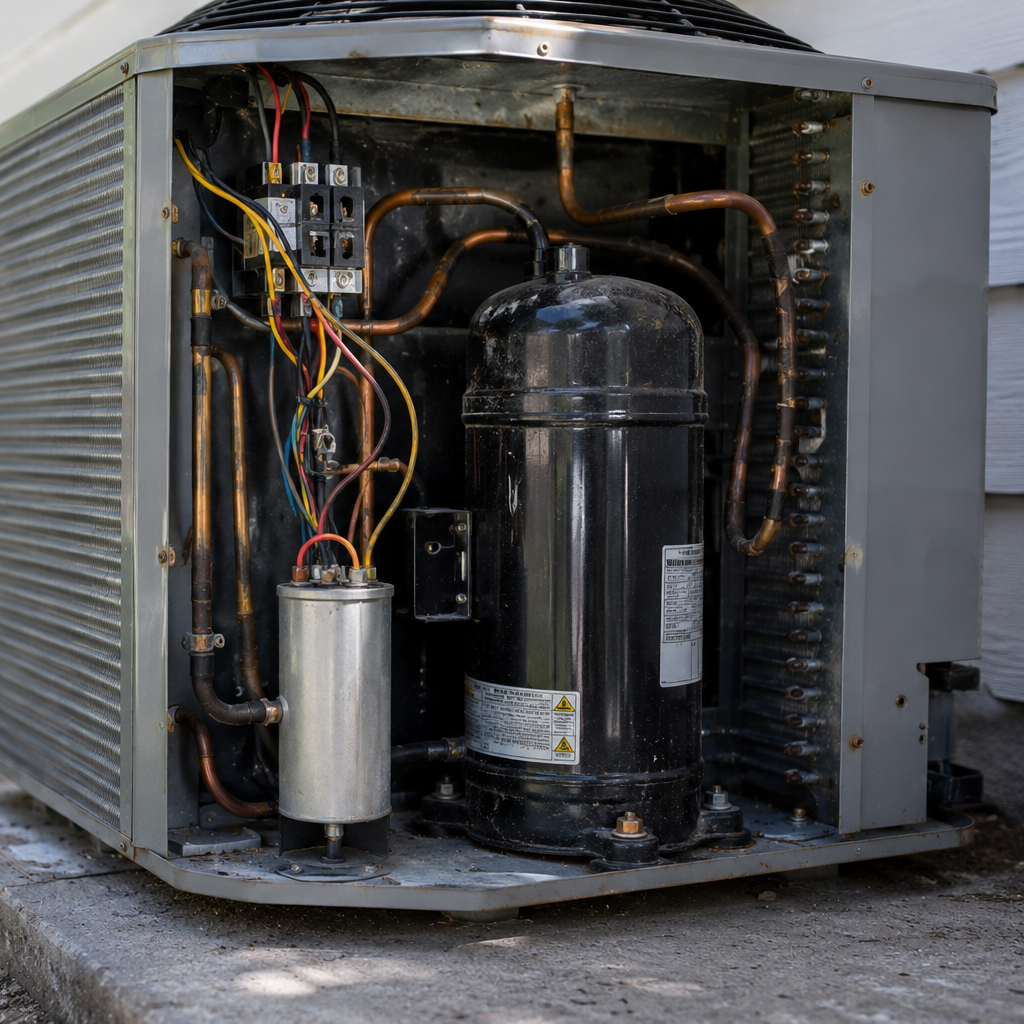
What Makes an AC Compressor Fail in Extreme Heat?
In a brutal summer, your air conditioner's compressor is doing the heaviest lifting in the whole system — and it's also the part most likely to give out under that strain. Because the compressor is usually the costliest component to replace, understanding what causes it to fail in extreme heat is key to protecting it.
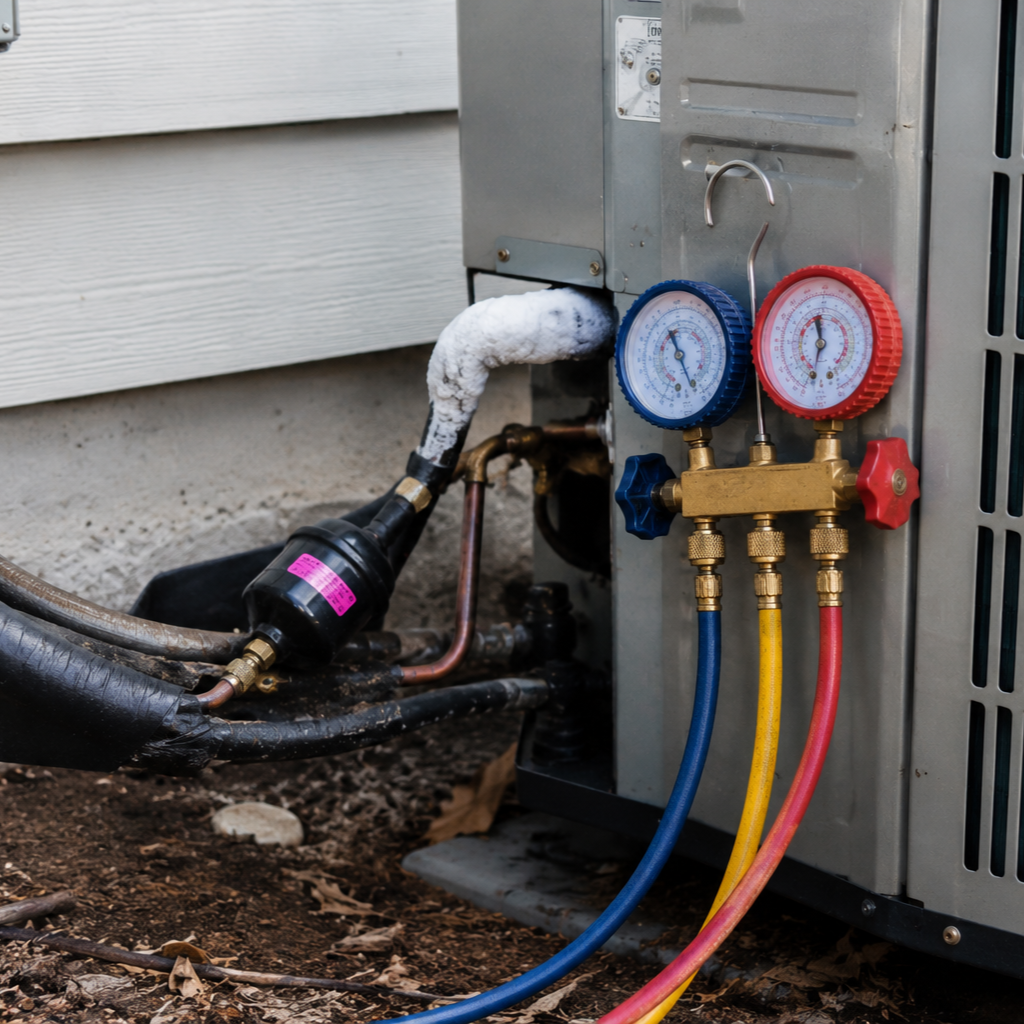
Signs Your AC Is Low on Refrigerant — and Why It Matters
When an air conditioner isn't cooling well, low refrigerant is a frequent suspect — and recognizing the signs helps you catch it early. But the most important thing to understand about low refrigerant isn't the symptoms. It's that the refrigerant doesn't get used up, so a low level always means a leak. That changes what the real fix is.
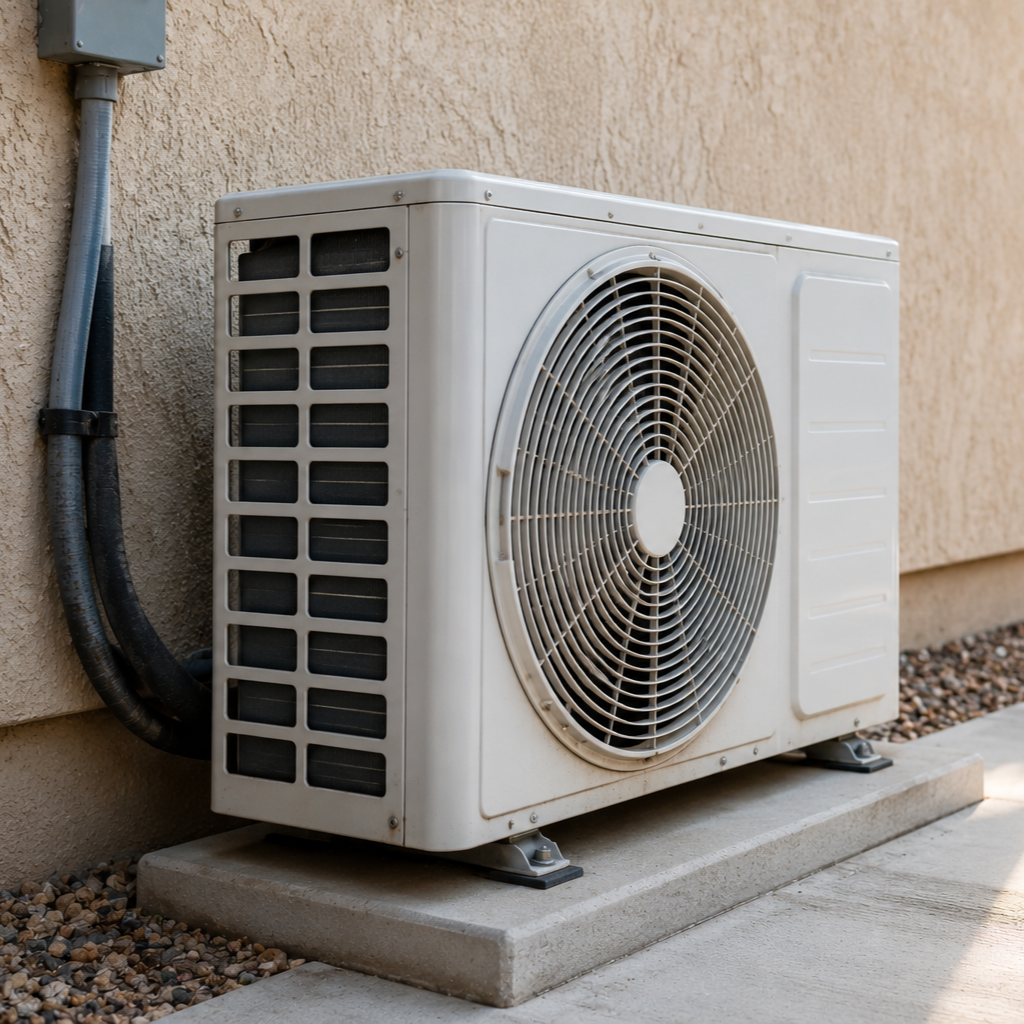
AC Blowing Warm Air on a Hot Day? What’s Going Wrong
It's the worst possible timing: the hottest afternoon of the year, the AC is running, you can hear it, and the air coming out of the vents is room temperature or worse. Warm air from an air conditioner is one of the most common summer breakdowns, and the reassuring part is that several causes are things you can check in five minutes. The rest point to a specific failed part. Here's how to tell them apart.

Integrating Smart Thermostats for Modern Comfort
Unlike traditional thermostats that rely on manual settings or basic timers, smart thermostats learn occupants’ habits over time.
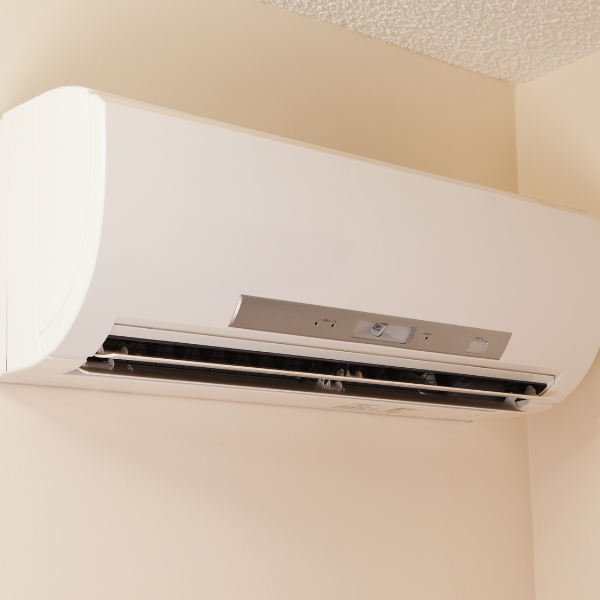
Proactive Care with Scheduled AC Checkups
Professional technicians understand that an A/C checkup is more than a quick glance; it's a comprehensive review that helps prevent breakdowns and prolongs equipment's life.

HEPA Filter Trends Keeping Lancaster Homes Fresher Through Every Season
Professional guidance makes a major difference by helping homeowners select the right systems, place them effectively, and maintain steady airflow that supports cleaner indoor air.

Lancaster Smart Thermostat Integration for Next-Level Energy Savings
Homeowners often want stronger control over heating and cooling without complicated setups or guesswork.