
Signs Your Ductwork Is Leaking and Wasting Cooled Air
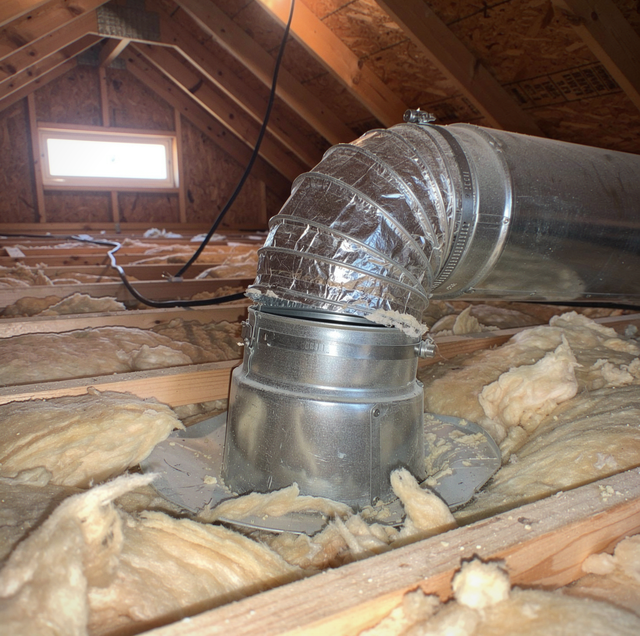
One room never quite reaches the temperature the thermostat is set to, while another stays comfortable without any trouble. A utility bill creeps up even though nothing about daily habits has changed. A faint hiss seems to come from behind a wall near a vent that used to run silent. None of these problems point to the air conditioner or heat pump itself. They point to the network of metal or flexible ductwork that carries conditioned air from the equipment to every room, and in each case, some of that air escapes before it ever reaches a vent.
Ductwork is built to hold air under pressure as a blower pushes it through a sealed path. Every seam, joint, and connection is supposed to stay tight so the air inside stays inside until it exits through a register. Over years of temperature swings, vibration, and ordinary settling, those connections loosen. Once a gap opens anywhere along that path, air takes the path of least resistance and leaves the system through the gap rather than the vent it was meant to reach.
How A Duct Leak Actually Wastes Conditioned Air
A forced-air system depends on pressure to move air where it needs to go. The blower pushes air into the supply ductwork at a higher pressure than the surrounding space, and that pressure difference forces air out through every vent in the house. The same pressure difference that pushes air toward a register will also push air out through any opening in the ductwork itself, whether that's a separated seam, a puncture in flex duct, or a connector that was never fully sealed to begin with.
Once air escapes through a gap, it's gone from the system's perspective. It doesn't circulate back into the house through the vents; it dumps into whatever space the ductwork runs through, most often an attic, a crawlspace, or a space between floors. The blower and the outdoor unit keep running exactly as they're supposed to, producing a full supply of conditioned air, but a portion of what they produce never reaches a single room. The equipment isn't failing. The delivery system carrying its output is failing instead.
Return-side leaks work the same principle in reverse. Instead of pushing conditioned air out, a gap on the return side of the system draws in ambient air around that section of ductwork, mixing it with the air headed back to the blower before it's cooled or heated again. Either direction wastes capacity the equipment already spent energy producing.
Uneven Cooling Between Rooms
The clearest sign of duct leakage usually shows up as a temperature gap between rooms that should behave the same way. A bedroom at the far end of a duct run stays several degrees warmer than a room closer to the air handler, even with the same thermostat setting and the same vent size. Every duct run loses a little pressure as it travels, but a leak partway along that run makes the drop far worse for everything downstream. Rooms fed by a shorter, tighter run keep getting a full supply of air, while rooms fed by the leaking branch get whatever pressure survives the gap.
This pattern is worth separating from other causes of room-to-room differences, such as a closed damper, a blocked vent, or a room with more window exposure than the rest of the house. A duct leak tends to affect one branch consistently, in every season and at every thermostat setting, rather than shifting with the time of day. If closing a door or adjusting a vent doesn't change the pattern, the air simply isn't reaching that branch in the first place.
Energy Use That Doesn't Match The Comfort You're Getting
A second sign shows up on the utility bill rather than on a thermostat display. Energy use climbs, but the level of comfort in the house doesn't keep pace. The equipment is running longer to make up for air it's losing along the way, which means it's consuming more energy without delivering more cooling or heating to the living space. This is different from equipment simply running longer due to a hotter or colder stretch of weather outside; the giveaway is that the increase in runtime doesn't come with a matching improvement in comfort.
Leaky ductwork forces the system to work around a loss that occurs after the air has already been conditioned, which is one of the more wasteful ways a home can lose efficiency. The compressor or heat exchanger already did the work of cooling or heating that air. Losing it into an attic or crawlspace after that point means paying for output the house never receives, rather than the equipment simply being undersized or aging.
Dust Or Debris Increasing At The Vents
A return-side leak, or any leak in an unconditioned space such as an attic, crawlspace, or unfinished basement, doesn't just waste air. It also provides dust, insulation fibers, and other debris with a direct path into the airstream. Air is pulled through the gap the same way it's pushed out through a supply-side leak, and whatever surrounds that section of ductwork gets drawn in along with it.
Homeowners often notice this as a change in what comes out of the vents rather than a change in temperature: more visible dust settling on surfaces, a grittier residue on vent covers, or filters that need changing more often than before. Ordinary household dust builds up gradually and fairly evenly across a system. A sudden increase, especially one that seems to start from a handful of vents rather than the whole house, points to a specific opening pulling in material from a space the ductwork was never supposed to expose the home to.
Visible Gaps Or Disconnected Sections At Duct Joints
Where ductwork is accessible, in an attic, a crawlspace, or an unfinished mechanical room, a leak is sometimes visible without any special equipment. Flex duct connections held with a metal clamp or strap can slip loose over time, especially if the strap wasn't tightened enough during the original installation or has loosened with age. Rigid metal duct sections are typically joined with sheet metal screws and sealed with mastic or foil tape, and that seal can crack, dry out, or peel away years later, leaving a visible gap between two sections that no longer sit flush against each other.
A fully disconnected section is the most extreme version of this problem: an entire run separates from its connection point and releases essentially all its air into the surrounding space rather than carrying any of it to the room it was meant to serve. That branch's vents may produce little more than a weak trickle of air, or none at all, while every other vent in the house performs normally. Anyone comfortable inspecting an attic or crawlspace can often spot this kind of separation by sight, particularly near boots, elbows, and transitions where duct sections meet.
A Whistling Or Hissing Sound Near Duct Runs
Air moving through a small gap under pressure often makes noise, and that noise is one of the more reliable clues that the ductwork has a leak rather than a problem elsewhere in the system. A narrow crack or a partially separated joint forces air through a much smaller opening than it was designed for, and that constriction produces a whistle or a steady hiss, similar to air escaping around a partially open window in a moving car.
This sound usually traces to a specific section of ductwork rather than the vents themselves, and it often gets noticeably louder right after the blower kicks on, since that's when pressure inside the duct spikes. A hiss that's constant regardless of whether the system is running points elsewhere, but a sound that starts and stops with the blower cycle is a strong indicator that pressurized air is escaping through a gap somewhere along that run.
Why Sealing And Repairing Ductwork Restores Efficiency
Every one of these signs traces back to the same mechanism: pressurized air finding an exit that isn't a vent. Sealing a duct leak closes that exit, which restores the pressure the system was designed to maintain all the way to every register. Once that pressure difference is doing its job properly again, air stops leaving the system early and starts arriving where it's supposed to, which is why sealing ductwork tends to produce a fairly immediate change in how evenly a house cools or heats.
Repair methods vary with what's actually wrong. A loose flex connection often just needs the clamp or strap re-secured and re-sealed. A cracked or degraded joint on rigid duct is typically cleaned and resealed with mastic, which holds up better over time than tape alone. A fully separated section needs to be reconnected and supported so it doesn't pull apart again from the same vibration or settling that caused the original failure. Whatever the specific fix, the goal is the same: restore a sealed path from the air handler to every vent, so the equipment isn't compensating for air it's losing before that air ever reaches a room.
A duct system that's properly sealed also puts less strain on the equipment itself. When the blower doesn't have to work against unplanned pressure loss, run times settle back toward what the equipment was actually sized to handle, reducing wear from longer-than-necessary cycles. That's a meaningful side benefit beyond comfort and energy use: a leak left unaddressed for years doesn't just waste air; it adds hours to a blower motor's workload that a sealed system wouldn't require.
Frequently Asked Questions
A technician can pressurize the duct system with a calibrated fan and measure how much air escapes relative to how much reaches the vents, thereby quantifying the leak rather than just locating a single visible gap. Accessible sections in an attic or crawlspace can also be inspected directly and checked by hand for airflow at suspect joints, which often confirms a leak without any demolition.
Yes, in most cases. A joint that's already separated slightly continues to shift with normal vibration, temperature changes, and the weight of insulation or other material resting on the ductwork, so a small gap tends to widen rather than stay the same size. Waiting doesn't make an existing leak self-correct.
It can. A leak on the return side, or anywhere in an unconditioned space, pulls in whatever is present around that section of ductwork, which can include insulation particles and, depending on the space, odors or moisture. Sealing that leak removes the entry point and the air loss.
Both can have it. Older ductwork has simply had more years for connections to loosen, but new installations aren't immune, particularly if a connection wasn't fully sealed with mastic or a strap wasn't tightened enough during the original build. Age increases the odds, but a poorly sealed joint can leak from day one regardless of a system's age.
Mastic sealant applied by hand over a joint is generally considered the most durable option, since it remains flexible and adheres well through years of temperature fluctuations. Foil-backed tape rated specifically for duct sealing is also used, particularly on flex connections, but ordinary cloth-backed "duct tape" isn't a reliable long-term seal and tends to dry out and peel within a few years.
A full system check is worth doing even if only one or two rooms show an obvious problem, since a leak on a shared trunk line can affect several branches at once in ways that aren't equally noticeable in every room. A room with more insulation, more shade, or a shorter duct run can mask a leak that's still wasting air on its way there.
Schedule a ductwork inspection — pinpoint duct leaks and have them sealed before more conditioned air goes to waste. Modern Air Conditioning & Heating LLC serves Boulder City, Las Vegas, and Henderson. NV C-21 #0081442. Call (702) 919-4365.
